
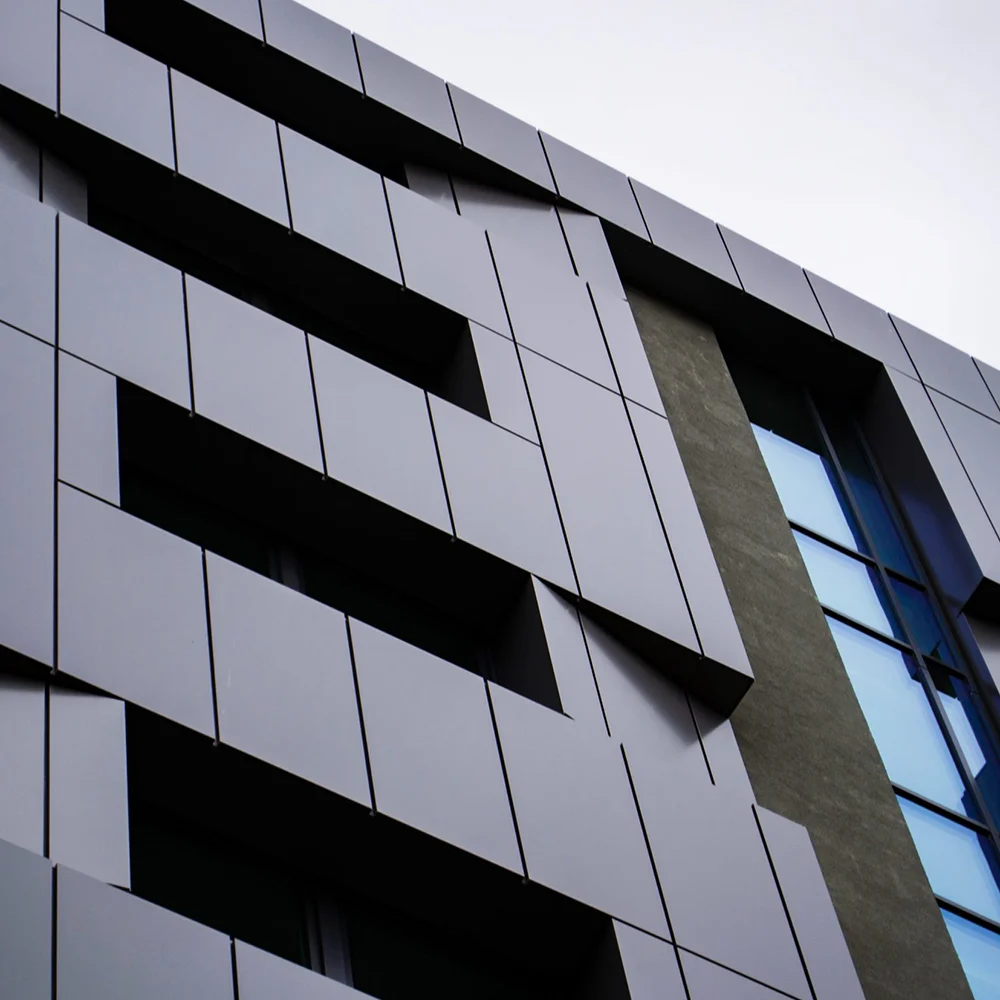
The Design and Building Practitioners Act 2020 (DBP Act) has brought significant changes to the construction industry in New South Wales, with profound implications for façade engineering practices in Sydney. This landmark legislation aims to improve building quality and ensure accountability, making it a pivotal consideration for engineers, architects, and developers.
Raising the Bar for Façade Engineering Standards
Under the DBP Act, practitioners involved in the design and construction of buildings must now adhere to stricter compliance measures. This includes the mandatory registration of professionals and the provision of compliance declarations for regulated designs, including façades. For façade engineers in Sydney, this legislation reinforces the importance of delivering high-quality, compliant designs that meet rigorous performance standards. “The DBP Act has elevated the responsibility of façade engineers,” says Lee Carroll, Director of LJ Carroll
consulting. “We’re now more accountable than ever for ensuring that our designs meet safety, durability, and energy efciency requirements.”
Enhancing Accountability and Transparency
One of the key aspects of the DBP Act is the emphasis on accountability. Façade engineers are required to provide detailed documentation, including specifications and performance data, to demonstrate compliance with the Building Code of Australia (BCA). This ensures greater
transparency and reduces the risk of defects, a critical concern in high-rise developments and other complex projects. The Act also introduces a robust framework for certifying designs. Engineers must submit compliance declarations, confirming that their façade designs meet regulatory standards. This has prompted a shift towards more thorough design processes and meticulous attention to detail.
Implications for Façade Engineering Projects
The DBP Act has had a direct impact on several ongoing and upcoming façade projects in Sydney:
- Barangaroo International Towers: Enhanced documentation and compliance checks ensure
these iconic towers adhere to the highest safety and performance standards. - Quay Quarter Tower: The adaptive reuse of this structure involved close collaboration between façade engineers and other professionals to meet the Act’s stringent requirements.
- Green Square Developments: A focus on sustainable and compliant façade solutions has set new benchmarks for urban renewal projects.
Challenges and Opportunities
While the DBP Act has raised the bar for building quality, it also presents challenges for façade engineers. The additional administrative burden of preparing compliance declarations and maintaining detailed records can be time-consuming. However, these requirements also encourage innovation and best practices, fostering a culture of excellence within the industry.
“The Act has pushed us to adopt more advanced technologies and rigorous methodologies,” Carter explains. “It’s a challenge, but it’s also an opportunity to showcase our expertise and deliver superior outcomes.”
Looking Ahead
As the construction industry continues to adapt to the DBP Act, façade engineering firms in Sydney are well-positioned to lead the way in compliance and innovation. The emphasis on quality, safety, and sustainability aligns with the broader goals of creating a resilient and visually striking urban environment.
About Us
LJ Carroll Consulting is a leading façade engineering rm in Sydney, specializing in compliant and sustainable design solutions. Our team of experts is committed to delivering high-performance façades that meet the standards set by the Design and Building Practitioners Act 2020.